Personalized AI Customer Interaction: Making Every Customer Feel Like "The One"
TL;DR:
- AI-driven personalization makes each customer feel special—and keeps them coming back for more.
- You get happier customers, faster service, and a real boost to your bottom line.
- It all starts with chatbots, smart data use, and constant fine-tuning.
- From shopping to healthcare to banking, personalized AI is turning “customer service” into “customer wow.”
The Big Idea
Personalized AI customer interaction is no longer just a trendy tech buzzword — it’s a transformative approach that is redefining how businesses connect with their customers.
By leveraging artificial intelligence technologies such as machine learning and natural language processing (NLP), companies can move beyond generic communication and begin delivering truly meaningful, tailored experiences. Instead of offering one-size-fits-all services, businesses can now understand customer preferences, predict behavior, and respond with highly relevant recommendations in real time.
Whether it’s online shopping, digital banking, or customer support, AI-driven personalization ensures that each interaction feels intuitive and customer-centric — as though the brand genuinely understands individual needs and preferences.
When implemented effectively, this creates a win-win situation: customers enjoy seamless and relevant experiences, while businesses benefit from higher engagement, improved conversions, and stronger brand loyalty.
What Exactly Is Personalized AI Customer Interaction?
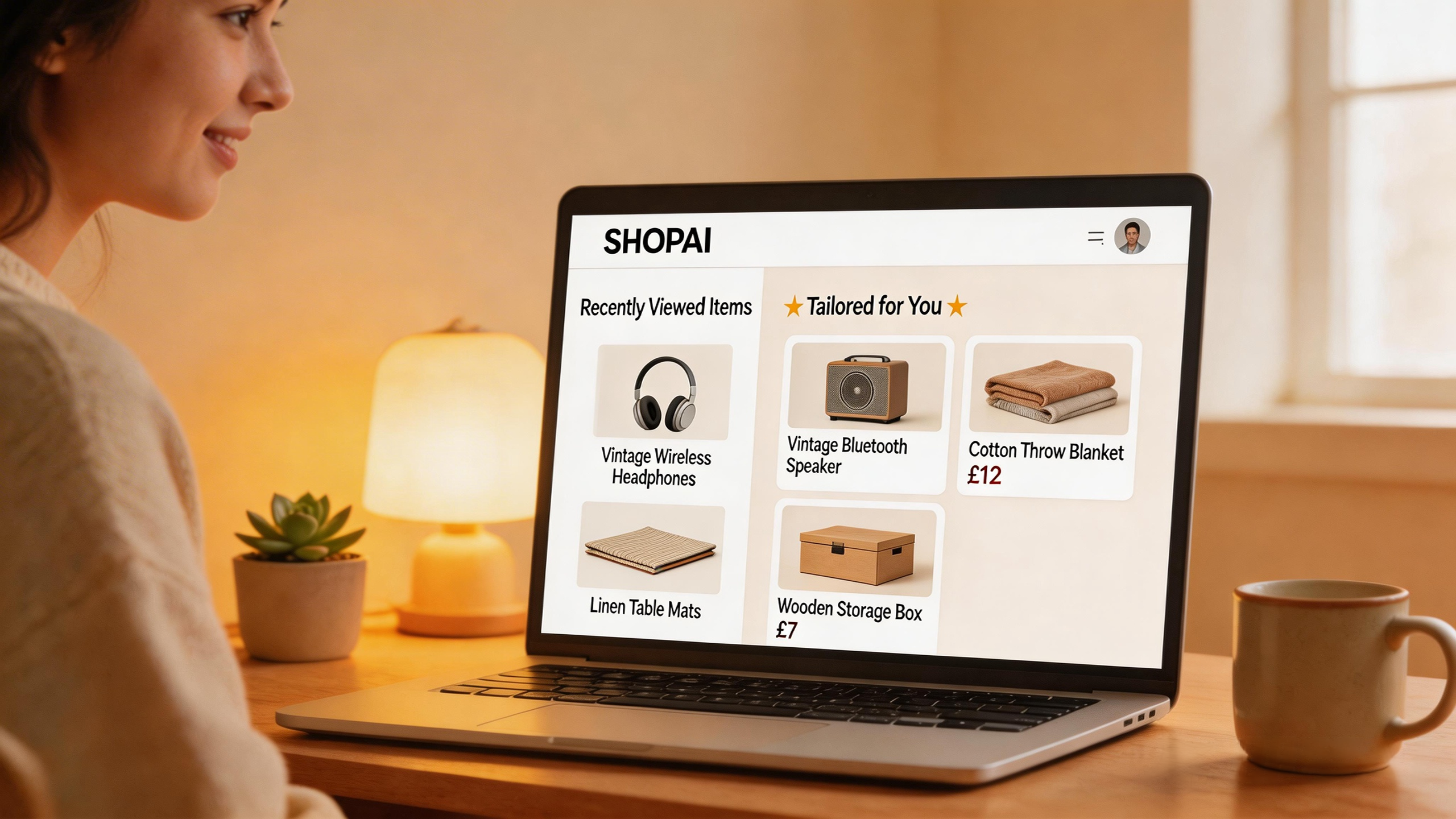
Imagine visiting your favorite e-commerce website and being greeted with product suggestions that perfectly match your interests. Rather than browsing through countless irrelevant options, you're presented with recommendations that align with your previous searches, purchase history, and browsing behavior.
This isn’t coincidence — it’s AI working behind the scenes. Here’s how it works:
- Data Collection: Customer interactions such as clicks, purchases, browsing patterns, and cart abandonment provide valuable behavioral insights.
- Intelligent Analysis: AI algorithms process this data to identify patterns and predict customer preferences.
- Tailored Experience: Businesses can then deliver personalized product suggestions, targeted promotions, and faster, more relevant customer support.
The result? Customers receive content that matters to them — not spam — improving satisfaction and engagement.
Why Does Personalized AI Matter?
Implementing AI-powered personalization delivers tangible business benefits:
- Enhanced Customer Engagement
Personalized messaging resonates more strongly with customers, increasing response rates and interaction quality. - Operational Efficiency
AI automates repetitive tasks such as answering FAQs and handling routine inquiries, allowing human agents to focus on complex issues. - Increased Revenue Opportunities
Relevant recommendations and targeted offers encourage repeat purchases and improve customer lifetime value.
How to Make AI Personalization Work for Your Business
1. Deploy AI Chatbots
AI-powered chatbots provide instant, 24/7 customer support — eliminating wait times and improving response efficiency. They can handle inquiries, recommend products, and resolve common issues at any time of day.
2. Utilize Customer Data Strategically
From purchase history to website activity and loyalty program interactions, customer data holds valuable insights. AI systems can analyze this information to determine trends such as preferred purchase times, product interests, or communication preferences.
3. Continuously Optimize AI Models
Customer behavior evolves over time. Businesses should regularly update and refine their AI systems using new data to ensure recommendations and interactions remain accurate and relevant.
4. Prioritize Data Privacy
While personalization enhances customer experience, maintaining data security and transparency is essential. Implementing strong privacy practices builds trust and ensures compliance with data protection regulations.
Real-World Applications of Personalized AI
Retail
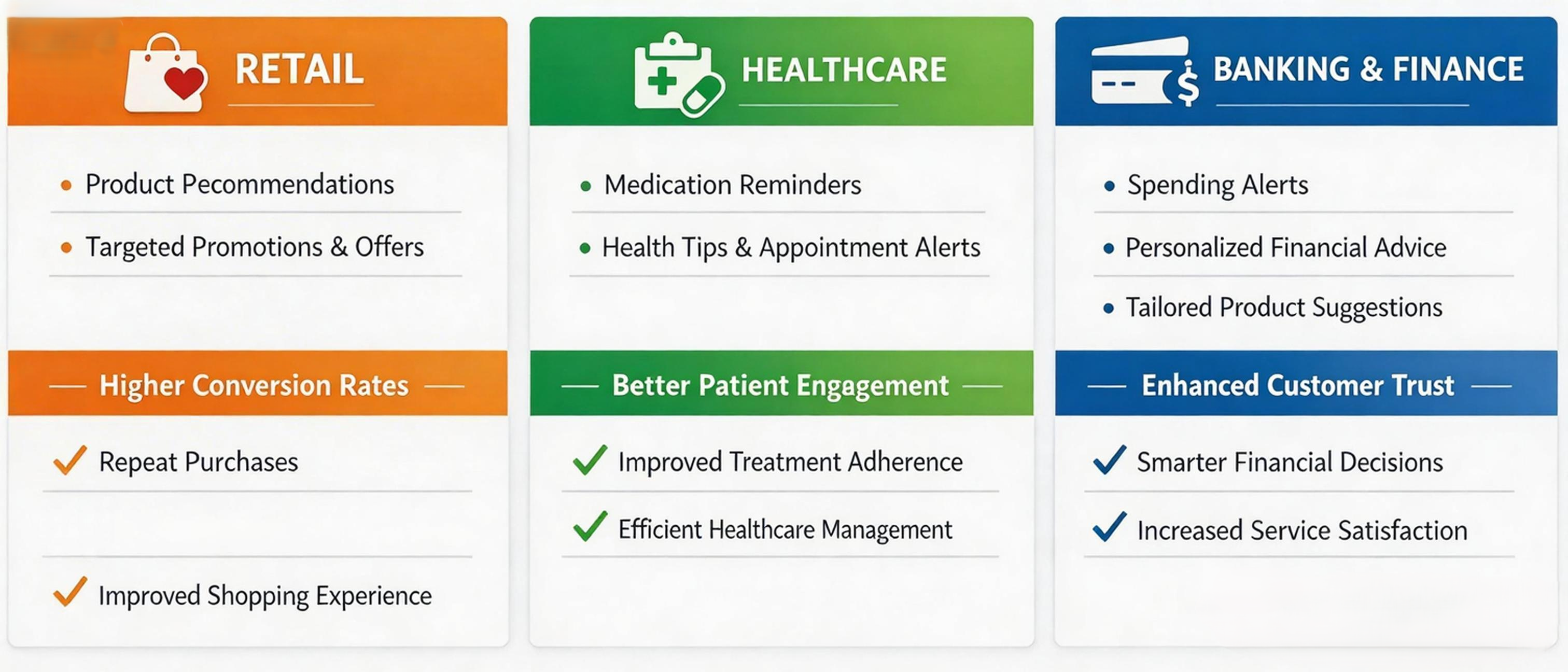
Online retailers use AI to recommend products based on browsing and purchase behavior. From fashion brands to electronics stores, personalized promotions and suggestions can significantly improve conversion rates.
Healthcare
AI-powered systems can provide medication refill reminders, health tracking suggestions, and appointment notifications — helping patients manage their health more effectively.
Banking & Finance
Financial institutions leverage AI to offer real-time spending alerts, savings advice, and personalized financial product recommendations based on user lifestyle and transaction history.
Frequently Asked Questions (FAQs)
Q1: Does AI personalization improve customer satisfaction?
Yes. Customers are more likely to stay loyal to brands that understand and cater to their preferences.
Q2: Is implementation difficult?
While integration and data privacy considerations may present initial challenges, scalable AI solutions are widely available today.
Q3: Can small businesses adopt AI personalization?
Absolutely. Many affordable, plug-and-play AI tools allow SMEs to automate customer interactions and personalize marketing efforts.
Q4: Is AI personalization cost-effective?
Modern AI platforms offer flexible pricing models, enabling businesses to start small and scale as needed.
Q5: How can success be measured?
Key performance indicators such as customer retention, purchase frequency, and satisfaction scores can help evaluate effectiveness.
Final Thoughts
Personalized AI customer interaction is rapidly becoming an expectation rather than a luxury. Delivering the right content, product, or solution at precisely the right time helps businesses stand out in an increasingly competitive digital landscape.
By investing in AI-powered chatbots, leveraging customer data responsibly, continuously optimizing AI systems, and maintaining strong privacy standards, organizations can create meaningful customer experiences that foster long-term trust and loyalty.
In today’s experience-driven economy, personalization isn’t just about better metrics — it’s about making every customer feel like they truly matter.